In a world full of verbally spoken languages, American Sign Language stands out. As a manual language, it is full of facial expressions and emotion. It also belongs to a community with a vibrant culture and history.
Senior anthropology major Elena Picano, the president of the ASL Club, is keen to make that known.
“I would like [students] to know that ASL and Deafness is not just a response to a disability. It’s like many groups of people with disabilities,” says Picano. “They are not just people lacking something, in this case, lacking hearing. It is a group of people with their own culture, their own history and certainly their own pride in the community, in themselves and in their culture. So I would urge people who are interested in learning any of it to see them as the whole people that they are.”
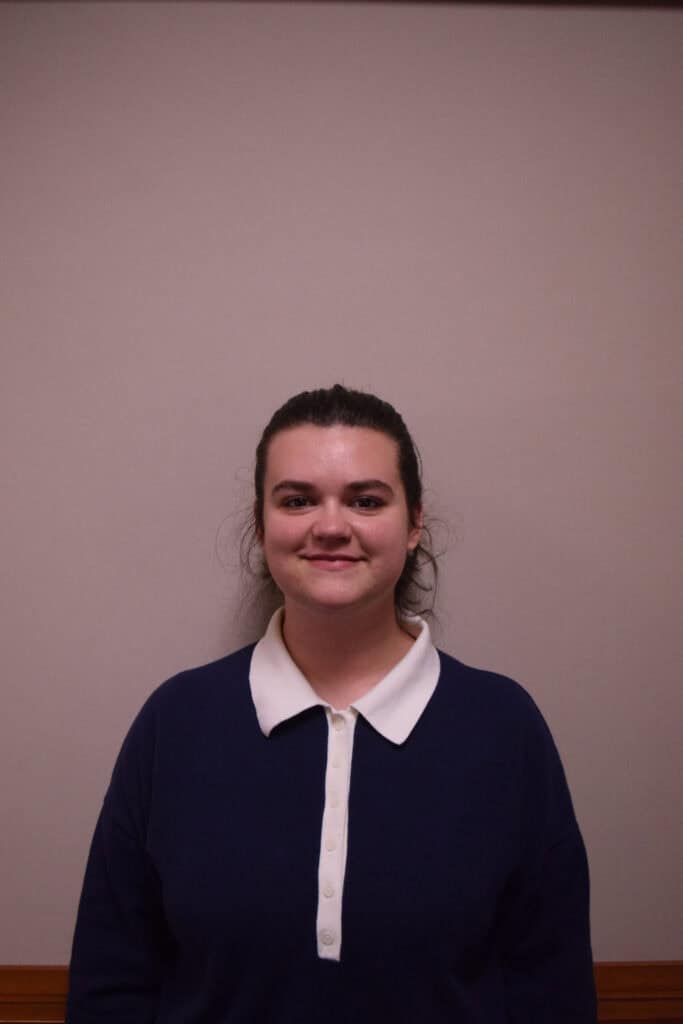
Since becoming president last semester, Picano and the other E-board members have worked hard to amplify the Deaf culture. The club does not currently have any Deaf members, but they value relationships with Deaf community members and organizations.
At weekly meetings, Picano educates fellow students about the culture behind the language. Cognizant of her position as a hearing person studying the Deaf community, Picano says her role is not to replace the Deaf community but to listen to their experiences and opinions.
“Always, each week, I include something about Deaf culture, Deaf history. I think it’s my role, as well as any other hearing people’s roles in positions like mine, to echo the voices of the Deaf community and make sure that everybody understands we are hearing people learning the language of a group of people who have been mistreated a lot in the past and the present,” says Picano.
Club activities include movie nights and off-campus events. Members join with a spectrum of experience in the language, so teaching signs and encouraging new signers is a frequent activity. Students with limited knowledge are welcomed to join and learn.
Outside of meetings, members have fundraised for the American School for the Deaf in West Hartford, and are planning more ways to raise awareness on campus.
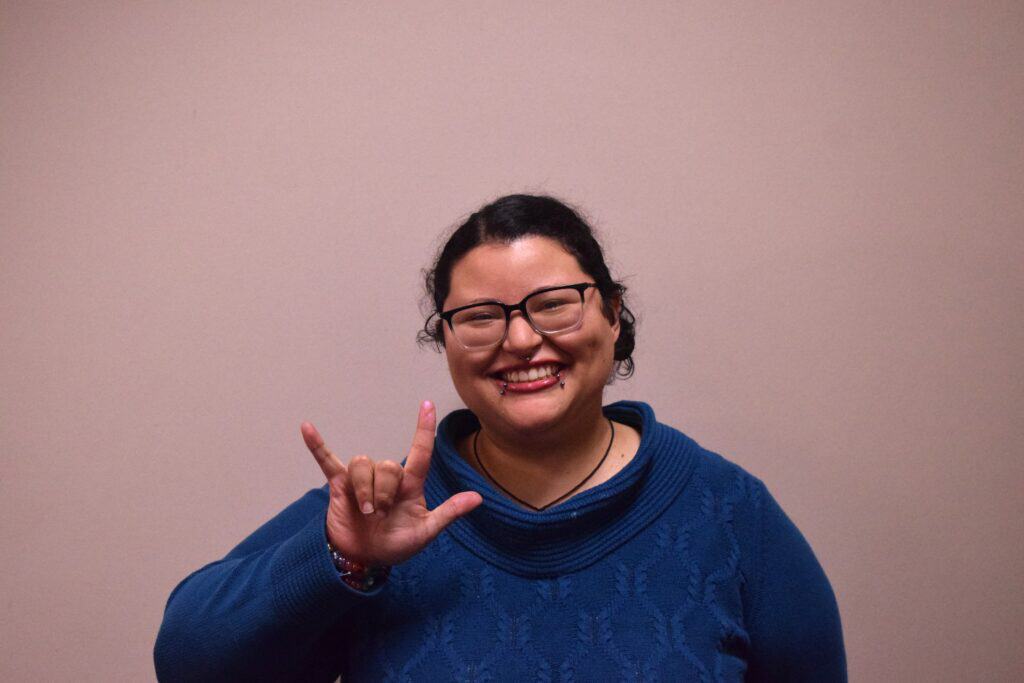
“We’re hoping to do some movie screenings, just to have some more cultural awareness, and hopefully get some more people who aren’t really aware of ASL and Deaf community to start thinking about it,” Picano says.
Senior psychology major Alex Cruz Velasquez is the vice-president of the club and is passionate about Deaf culture. As a hearing student, Cruz Velasquez wants other hearing students to gain more appreciation for the cultural contributions made by Deaf individuals from sports to pop culture.
“They’ve contributed more to culture than people think. The huddle originated from Deaf football players, and I feel like cinema has also progressed because of Deaf people,” says Cruz Velasquez.
There is a variety of motivations for students learning the language in the club and in classes. Some cite curiosity, while others share a love of all languages.
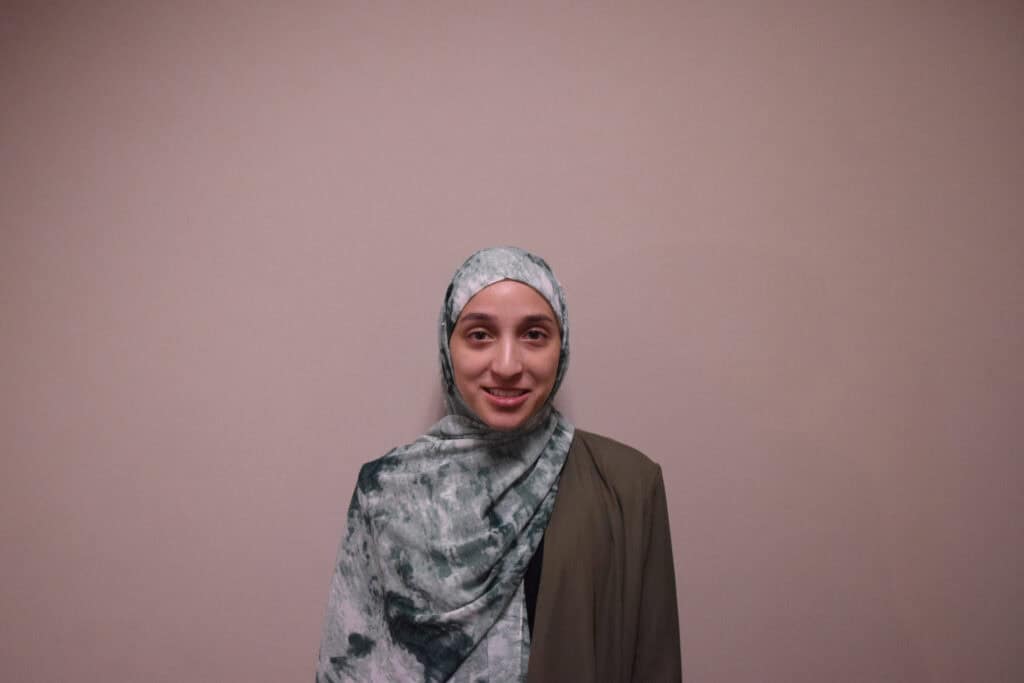
Senior biology major Mirza Wahida is the treasurer for the club. She became involved in the fall of 2024, after transferring, and has since gained more knowledge in ASL. She hopes to become a doctor, and sees learning to communicate with a wide range of patients as a responsibility.
“Every healthcare professional is required to put the patients first, to always get them the best quality of care that they can give. And they can only do that if they’re able to honestly communicate with them about their treatment options, about what they need, what kind of symptoms they have, and things like that.” Says Wahida. “But if there’s that lack of communication between them, then they’re not able to do that, and with patients who are Deaf or progressively losing hearing, they aren’t able to have that communication effectively, and so it affects their health care.”
Sophomore communication disorders major Gianna Jara, the club secretary, already knew English and Spanish when she joined the club in her freshman year. She wanted to add a third language to her repertoire, not only out of curiosity but to be able to communicate with those from the Deaf community who she may meet in her future career.
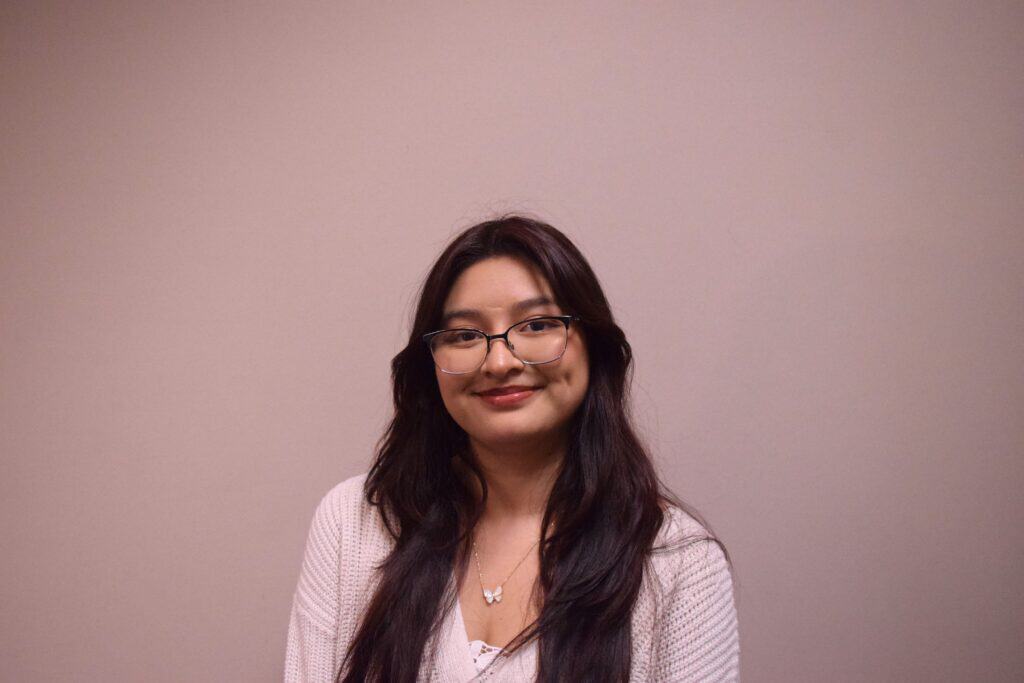
Jara says that a part of learning ASL is not simply learning grammar and vocabulary, but also to understand that it is not simply translated English. There is a unique grammatical structure, and it cannot be translated perfectly to spoken English.
“We need to make sure that these people are represented because people don’t really take this language seriously,” says Jara. “There are going to be moments where people who are part of the Deaf community need to communicate with other people. So it’s important for everyone to know this language and to know that it is its own language in its own entirety. It’s not something that’s like, from English to [ASL], it’s their own language.”
Aside from learning about Deaf culture and history, the club encourages students to express their emotions with the language as well. In ASL, facial expressions function not only as indicators of emotion, but as crucial grammar elements. Questions are indicated with different expressions than exclamations.
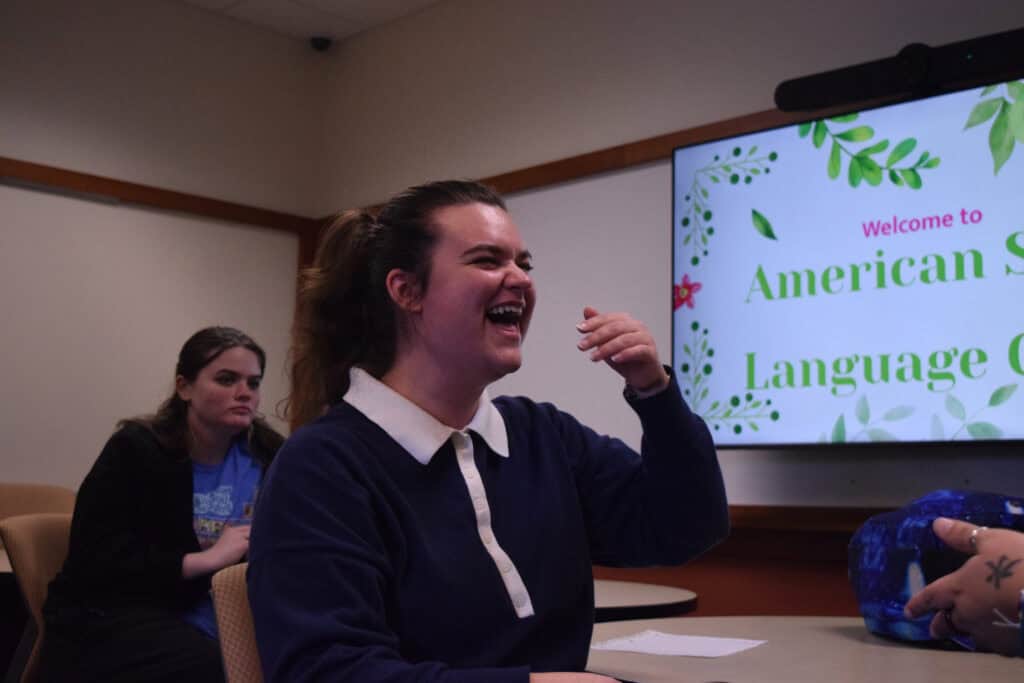
These same emotions also turn ASL into an art form, one that club members use to express themselves and connect with Deaf individuals.
“I feel like ASL is a language, but it’s also kind of an art in the way that you can interpret music, poetry, film, and the way that you can really use your whole body to express yourself,” says Cruz Velasquez. “So don’t overlook it just because it doesn’t sound like us.”