The university offers 16 study abroad locations, and for those participating in the faculty-led trip to Iceland, students work with professors to conduct research.
The short-term trip, run by environment, geography and marine sciences Professors Emma Cross, Patrick Heidkamp and Scott Graves, allows this opportunity.
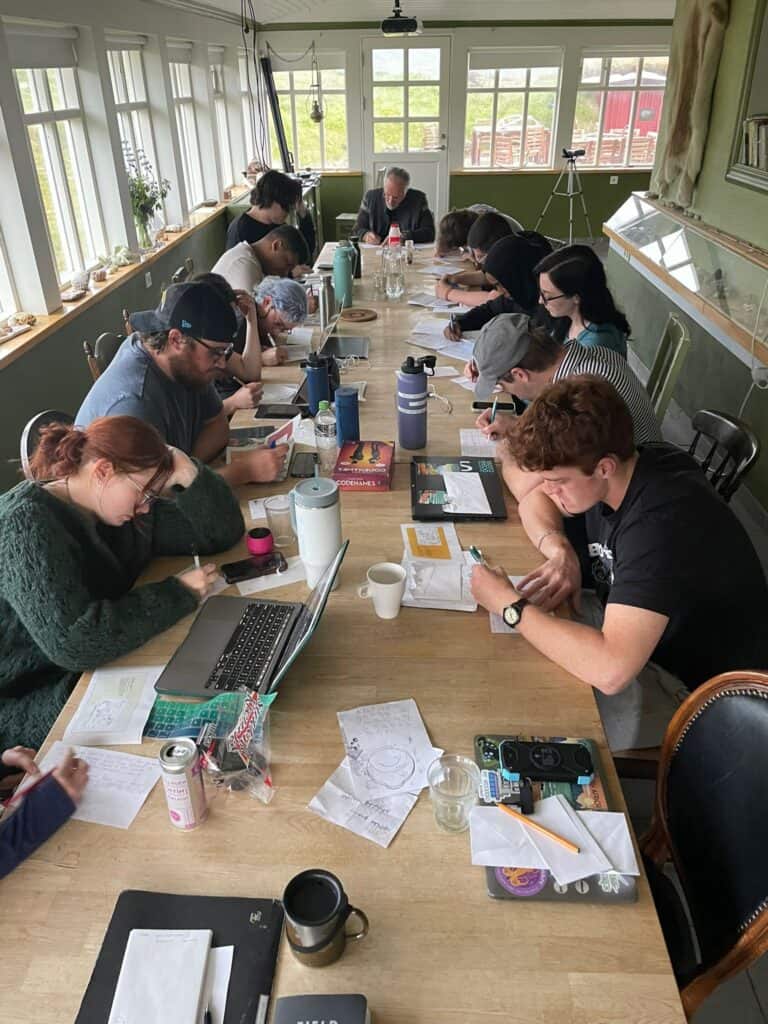
“While you’re there, you’re quite literally learning how to do some stuff in the field. We break out into groups, and you’re not really stuck to whatever group you got grouped into, so you can switch around and learn a bunch of different things,” says Grayson Afonso, a senior environmental systems and sustainability major.
Students who attend the 20-day-long trip to the Northern European island nation during the summer semester are also able to complete their own research.
This year, 12 students and four professors from Southern traveled to Iceland from June 9–28.
Tori Jones, a senior environmental systems and sustainability major, was able to visit Thorli beach in Þorlákshöfn, Iceland, on which her thesis is based. She received a scholarship to attend the trip, which costs students $8,000.
“I actually got to work on some of my personal research. I’m doing a thesis project on a surf spot in Iceland that’s under threat because of a harbor expansion. I actually got to go to that surf spot and go surfing. I would say that was one of my favorite parts of the trip,” says Jones.
Other research topics include: water, DNA and quality sampling. Students learn to retrieve water for lab tests and use the results to gather information on specific types of fish and other water creatures that call the local fjords home. They are able to use the information to track climate change in the area.
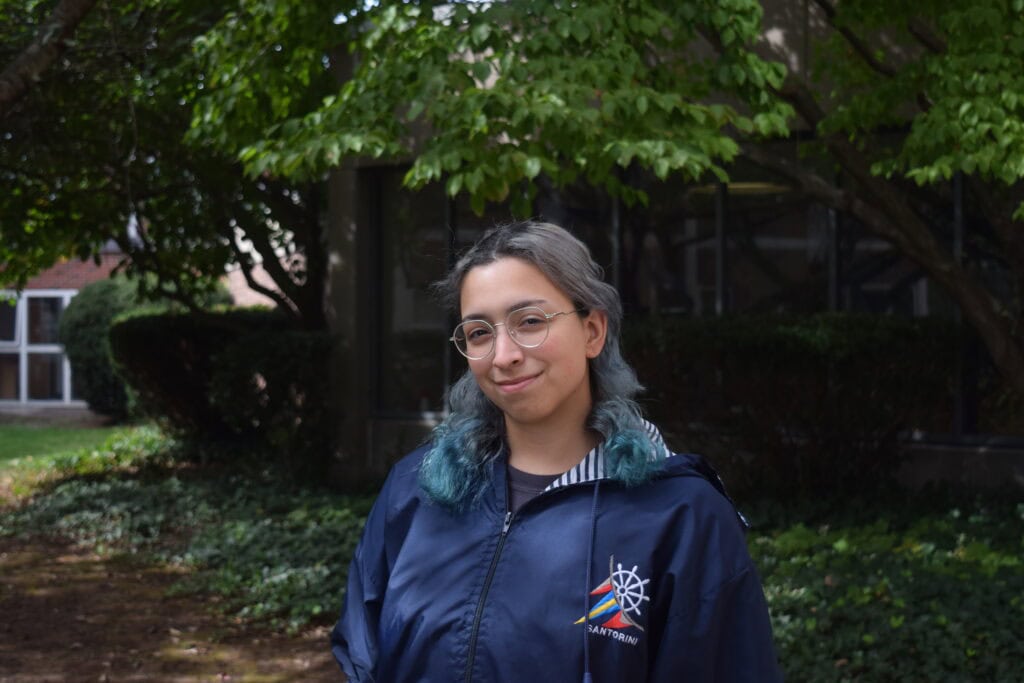
“What I was doing, specifically, was, when they’d come back with the samples of water, I would be in the lab, and I would be processing those to try and get as much environmental DNA from the water as possible onto a little filter,” says Afonso. “And then those would be processed back in Boston, and they’ll tell us what kind of species were in those deep waters at different depths.”
Iceland is a nation of just over 400,000 people. Its unique geography and position in the Arctic Ocean make it a prime spot for tourists. The local fjords, or sea inlets created by glaciers, offer insights into climate change and the real-world effects it has on nature.
Jillian Zitofsky, a graduate student studying coastal resilience, was able to graduate early last summer after earning six credits on the trip. She says the unique landscape of Iceland is the perfect place for students interested in environmental studies to gain experience.
“I would absolutely recommend it. I would say any international experience, like travel, is a great experience for a student. Especially if they want to go into the environmental field, because Iceland is just such a unique place,” says Zitofsky.
Heidkamp began the program in 2010. Initially a traditional study abroad, he has since transformed it into the researched-based trip that students experience today. Most of the research is based in the town of Seyðisfjörður.
“It’s a fairly unique opportunity to have students involved in a hands-on research project that matters to people right now,” says Heidkamp.
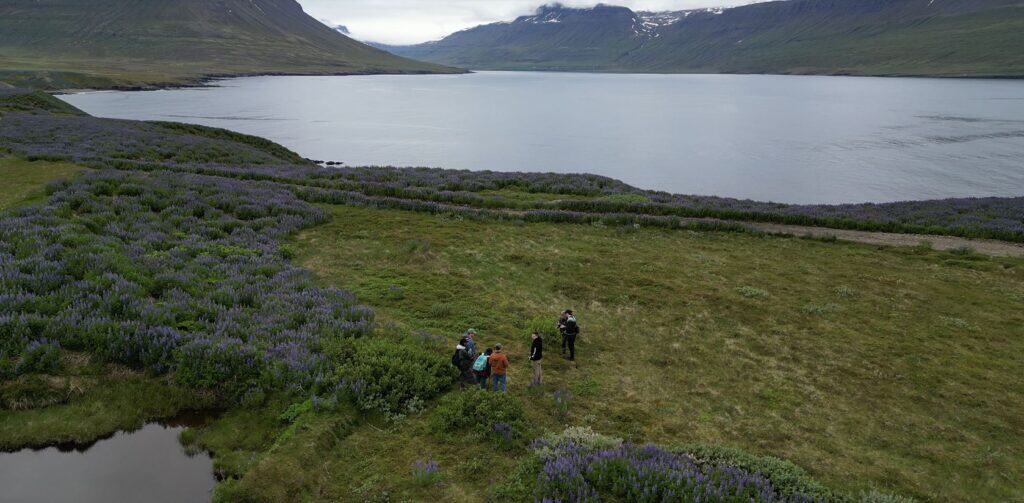
While Graves and Cross lead students in research of their own, Heidkamp’s groups focus on the impact that commercial salmon farming and tourism have on locals and the environment.
Students are able to meet the people that their research impacts, and see first-hand the community’s appreciation for those researching climate change.
Students on the trip can work in several other Icelandic towns and villages to do meaningful research. From staying on the edge of the Skálanes nature preserve, to meeting Icelanders in Reykjavík and Egilsstaðir and visiting the University of Akureyri, students can connect with residents.
The local Icelanders were excited to see their research, students say, and were very friendly with tourists and researchers.
“The people that we met were very welcoming and excited that we’re doing the research, which was nice. Everyone there was super friendly,” says Jones.
Heidkamp says he believes firmly in the benefits of student’s research in the local community, and has seen students benefit from Icelandic locals welcoming attitude to those doing research near their homes.
“We are an integral part of this project, and we’re welcomed differently, and people treat us differently, rather than just as visitors,” says Heidkamp. “You’re giving something back, but mostly you’re just creating a tremendous opportunity for students to collect data that’s meaningful. I think the big takeaway from it is that students realize how important their work can be.”
Graves instructs students in GPS technology and drones. He says that students who participate on study abroad get to know their professors better and professors are able to learn more about students’ strengths and weaknesses.
“By the time we come back, most everybody who’s been on one of these study abroad trips—this is probably true of all study abroad—they have a different relationship with the professor. They feel, often, much, much more at ease coming to talk to us because they know us a little bit better. They also get to know each other better,” says Graves.
Students build relationships not only with professors and peers from the university, but with individuals from around the world.
The unique Icelandic nature and societal focus on preservation and environmental studies draw students and researchers alike from around the world. Students were able to connect with individuals from other countries who were all studying in Iceland.
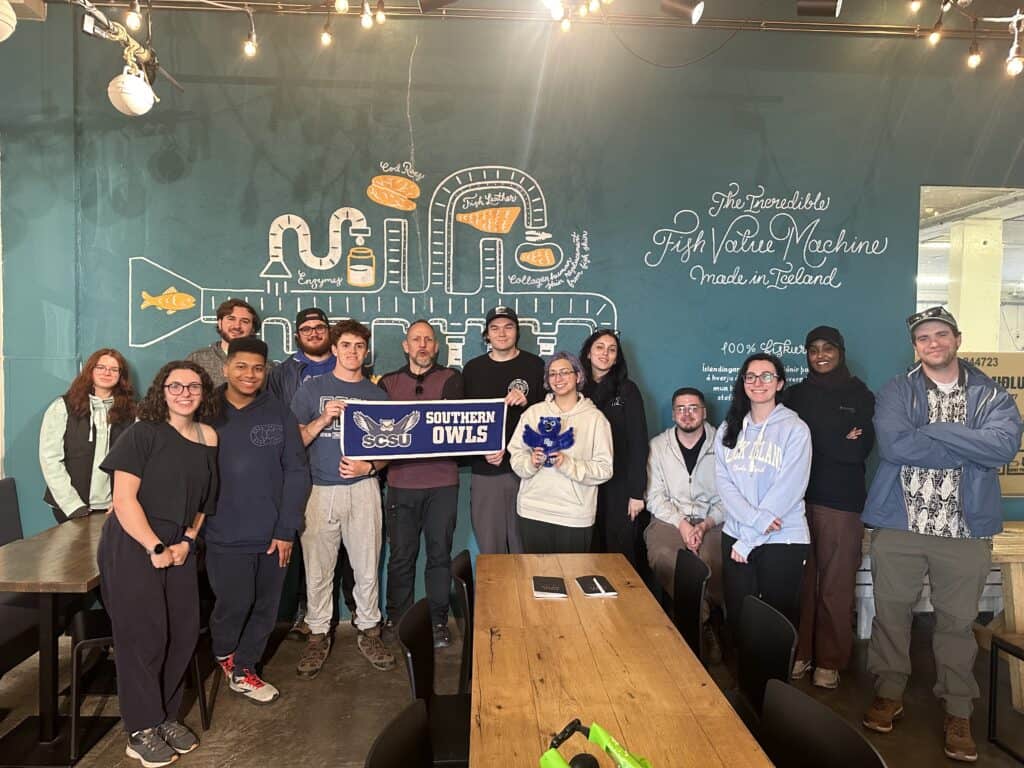
“It’s an opportunity where otherwise you wouldn’t be able to access any of those things, like the international research, which also is really highly desired, if they see it on your resume,” says Afonso. “Also being able to meet people that you totally otherwise wouldn’t meet, especially people in your field, who are just in other countries.”
There are other benefits to studying abroad in Iceland. Heidkamp also points out that study abroad, specifically the Iceland trip, shows results in the classroom as well. Participating students have shown better grades and are more likely to excel when working with peers.
“[I’ve] seen a significant improvement in GPA after participating in either one of my study abroad experiences. And if you’re looking at graduation rates, there’s only one student that has been on the trips that has not graduated,” says Heidkamp.
Besides the skills learned through research, students also gained knowledge from camping together, living in cabins and tents, and learning to survive and thrive in the outdoors. They learned to deal with harsh weather conditions, as the research went on, rain or shine.
While to many it may seem like a luxurious camping getaway, Afonso says the living conditions are actually a teaching moment. Field researchers may have to camp in tents while conducting research in rural areas, so knowing how to live outdoors is paramount.
“I think it’s really good to have on your resume, to be able to then seek a job, if you want a job where you’re going to be outside most of the time,” says Afonso.
Participants camp on the edge of fjords and other bodies of water and get to know locals and Icelandic culture. This led to many students taking stunning pictures of the landscape, animals, and culture.
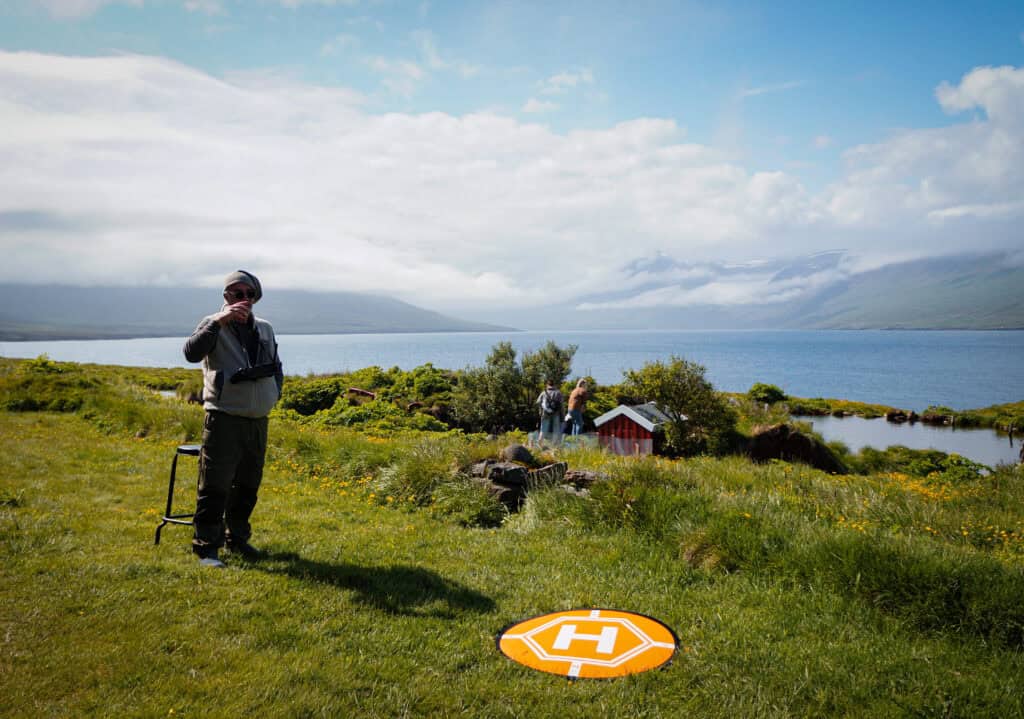
“It was so amazing just to be in a place that’s so environmentally forward with the way they are, and how they conduct everything. It was the most beautiful place I’ve been to,” says Zitofsky.
The effects of the Iceland trip last long after the plane leaves Reykjavík. Students who attend are able to use the skills learned for resume building. Many feel more prepared for the job market, and some highlight the trip as their most influential experience during their time at the university.
Afonso says she now feels far more prepared to enter the workplace and apply the skills she has learned to her future career.
“I think as well the takeaway is I had feelings of unpreparedness to leave Southern and find a job in the major,” says Afonso. “But after Iceland, all self-doubt was erased because the trip prepared me in ways the classroom never could.”