The world of tap dancing is a large tight-knit community of people who, like Jacqueline DeBaise, do not just dance, but mix precision and practice to tell a story with every click of their tap shoe heels.
DeBaise, a junior nursing major, began dancing when she was just 2, tapping her way through early childhood classes at the Academy of Dance and Music in Wallingford.
“I first started dancing at 2 years old, doing ballet, and then around 3 or 4, I started tap,” she says. “I did gymnastics for a year in fourth grade, but I hated it. I went right back to dance and auditioned for the competitive team at my studio. That’s when things started to get serious.”
What started as a young hobby blossomed into a passion, and by the time she was in high school, DeBaise was competing at the highest levels of dance.
The transition from a casual dancer to a competitive one was not immediate.
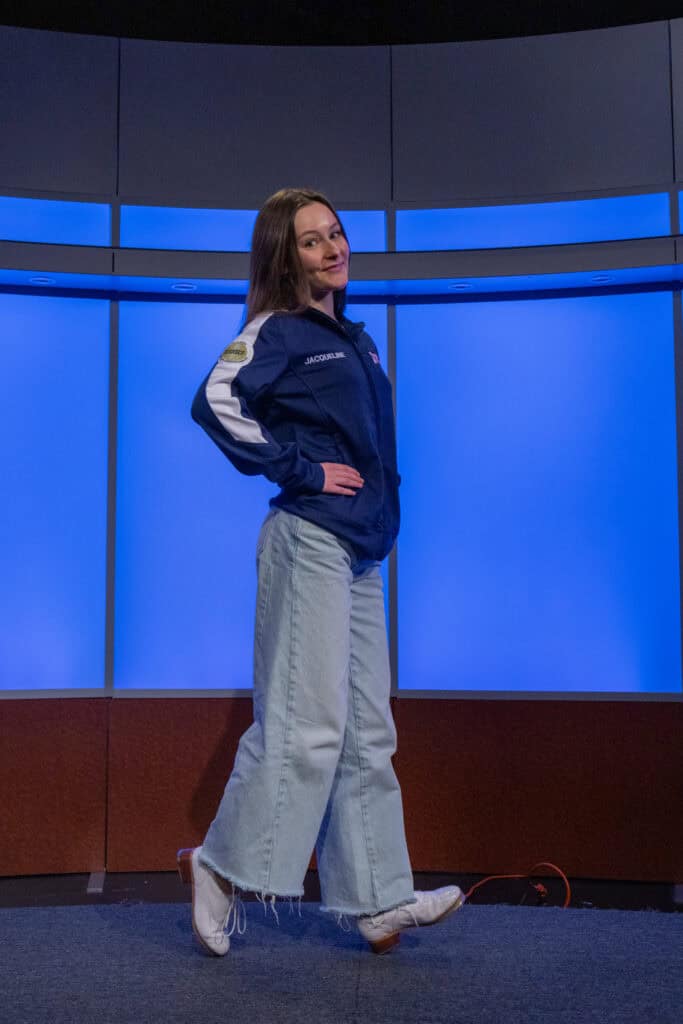
DeBaise’s return to the competitive scene in high school saw her becoming part of the elite tap company at her studio under the guidance of Jillian McNamara, a mentor who would later play a pivotal role in her dance career.
McNamara, who had danced at Seven Star, a studio in Brewster, New York, was not only DeBaise’s teacher, but also the one who introduced her to the prestigious USA Tap Team.
“Jillian had always talked to me about it, and it seemed like a cool opportunity,” DeBaise says. “It was kind of a spur-of-the-moment decision. She asked me subtly, and the next thing I knew, I was preparing for my first rehearsal.”
The USA Tap Team, a national formation team competing in international events, is a rare opportunity for dancers to train and perform on a world stage. The process of joining the team begins with auditions held at Seven Star.
“You audition for your age group, and then depending on the routine, you’re either placed in a formation, a small group or a solo,” DeBaise says.
As a member of the team, the practices were intense. From May to September, DeBaise and her teammates would meet every weekend for rehearsals ranging from one to four hours per session. Despite the rigorous schedule, the dancer’s love for tap kept her motivated.
“I’ve always loved tap,” DeBaise says. “It just clicks in my brain. I can hear the steps in my head, and most of the time it makes sense.”

The process leading up to the International Dance Organization, IDO, World Dance Championship in Zagreb, Croatia, was no less demanding.
With months of rehearsals under their belts, the team was ready for the challenge.
Jillian McNamara choreographed
the team’s routines, taking inspiration
from the music, mood and the intricacies of tap.
“Jillian is an excellent choreographer,” DeBaise says. “She really pushes us to think about tapping differently, beyond classic tap. For our formation dance, ‘Sound of Silence,’ she focused on sharp, contrasting movements, mixing levels and contemporary artwork with fast-paced footwork.”
With the choreography set, the competition became even more intense. In the final weeks before the event, the pressure intensified.
“There were moments when we all messed up, and Jillian would get really mad,” DeBaise says. “I remember one time she yelled so loudly, I almost laughed. We were doing the same step for 30 minutes, but I kept going.”
Despite the stress, DeBaise’s dedication to learning the routine, reinforced by the team’s video sessions and her own practice paid off.
When the competition finally arrived in Croatia, DeBaise experienced a surreal moment.
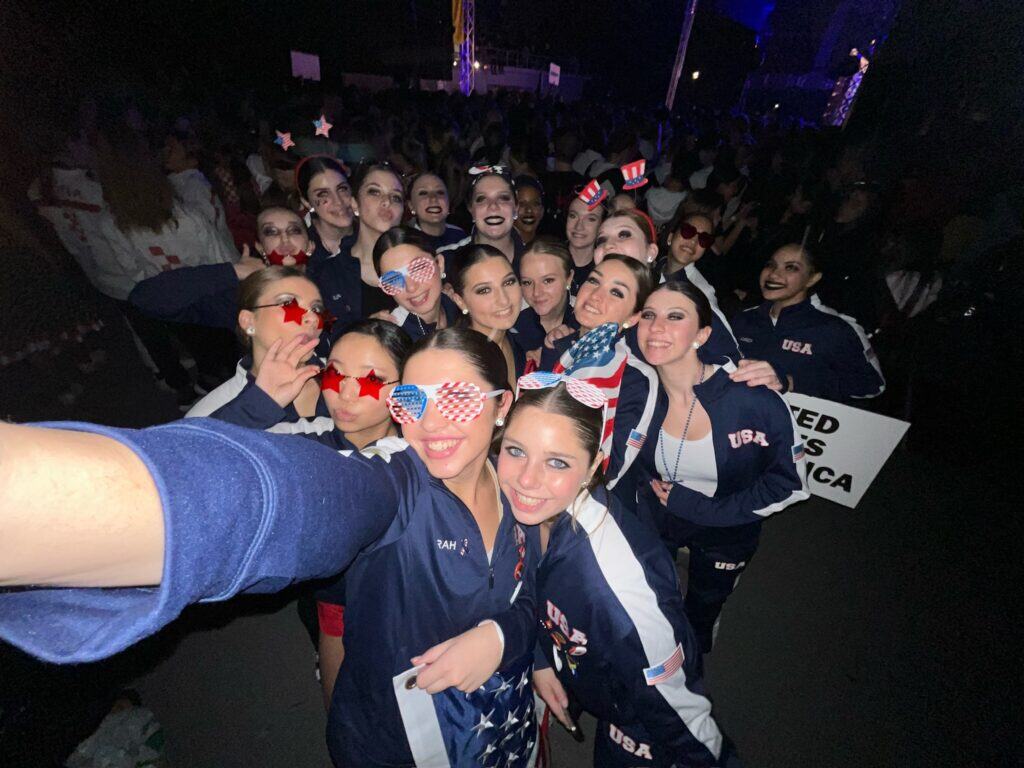
“The atmosphere was so welcoming. Everyone there was nervous, but at the same time, it wasn’t cutthroat like I had expected. We even traded little trinkets and pins from our countries. It was incredible to bond with dancers from all over the world,” she says.
Dancers from countries such as Germany, Italy, South Africa and the UK participated in the IDO competition.
DeBaise says an unforgettable moment of the competition was when she met the D’Angelo brothers, twin Italian tap dancers who had won the duet category eight consecutive times.
“They were legends in the tap world, and it was surreal to see them in person,” DeBaise says. “It was a reminder of how much talent and passion there is globally.”
DeBaise and the team made it to the finals, ultimately placing sixth in the competition. The achievement, though unexpected, was a testament to the USA Tap Team’s hard work.
“It was truly a rewarding experience to see all of our preparation come to life on stage,” DeBaise says. “We were all so happy to be there, and placing sixth was a great surprise for us.”
The experience taught her more than just technical skills.
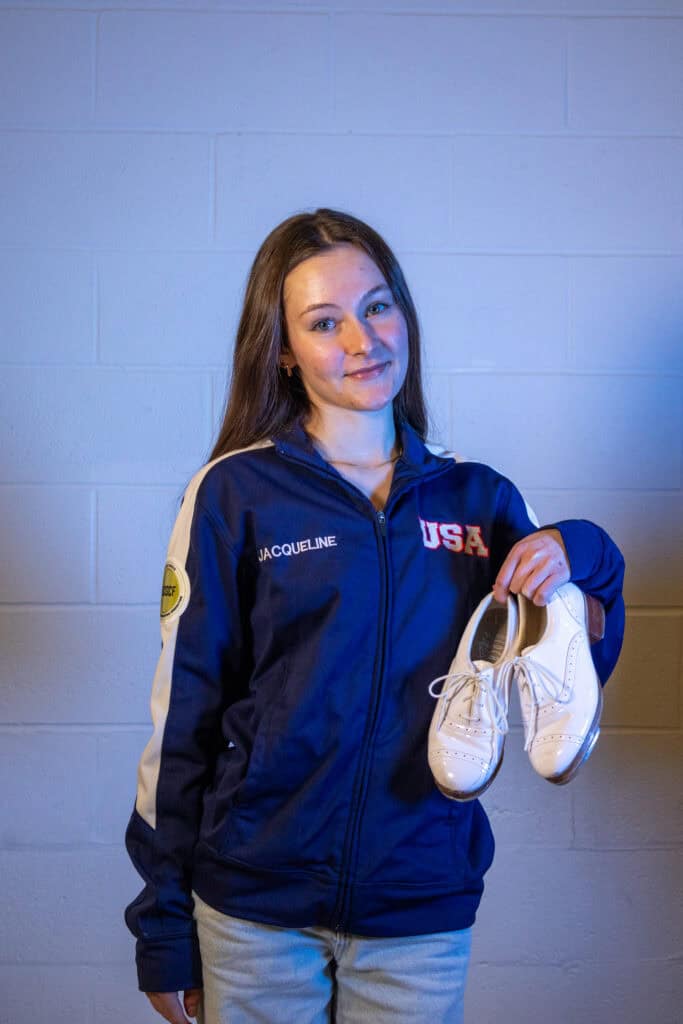
“I learned that dancing is about more than winning. It’s about having fun and expressing yourself,” she says. “It was the first time I felt truly free as a dancer. That experience made me more confident in my dancing and in myself. I was no longer focused on titles or trophies. I was just enjoying the movement and the joy of dance.”
The opportunity to compete internationally not only deepened DeBaise’s relationship with dance, but also with her family.
Her older brother, Stephen, joined her on the trip, and the two bonded in ways they had not before.
“That trip brought us so much closer,” she says. “It’s something we both cherish. Since then, we’ve traveled together more and talked about continuing to do so.”
Looking back, DeBaise views the entire experience as a personal transformation.
“It changed my perspective on dance. I realized that competitions don’t define me. It’s about having fun and being true to myself as a dancer.”
Now a nursing student and occasional substitute teacher at her old dance studio, DeBaise has shifted her focus to her future in health care. Yet, she says she keeps dance close to her heart, continuing to practice and take classes whenever she can.
“I’ll always love tap,” she says. “I’ll always find a way to tap, whether it’s with my feet or my hands. It’s a part of who I am.”